Units Plus Converter

Alan Mrvica, Founder

Fort Lauderdale, Florida
Alan Mrvica, founder of the popular Units Plus Converter app The Units Plus app icon
Designing a better experience

Alan Mrvica’s fascination with mobile technology started long before the smartphone era. Back in 1996, he got his hands on a Palm Pilot—an early personal digital assistant—and was immediately captivated by the interface.

“I was showing it to my friend... ‘Look, you can have a list of people, their names, a date book,’” Alan recalls. “I said, ‘this is going to be the future.’”

While he eventually pursued a career as a civil engineer, that love for user interface and interactive design never left him. In fact, Alan still actively prefers designing intuitive visual experiences over typing raw code or hunting down back-end bugs.

In 2011, curious about the burgeoning app ecosystem, Alan bought his first Mac and discovered Xcode. Despite having no formal training or education in computer science, he was determined to learn.

“I just learned by myself, little by little... watching YouTube videos, reading books,” Alan says, noting that this was long before the days of AI coding assistants.

He used his rigorous learning process to build his very first app: a colorful, simple unit converter called Units Plus Converter.

Launched in early 2013, the app featured large fonts and an intuitive design. Because he focused so heavily on a visually pleasing and straightforward user experience rather than complex backend engineering, the app was an immediate hit. To his surprise, people were downloading it right away and sending him emails about how much they loved it.

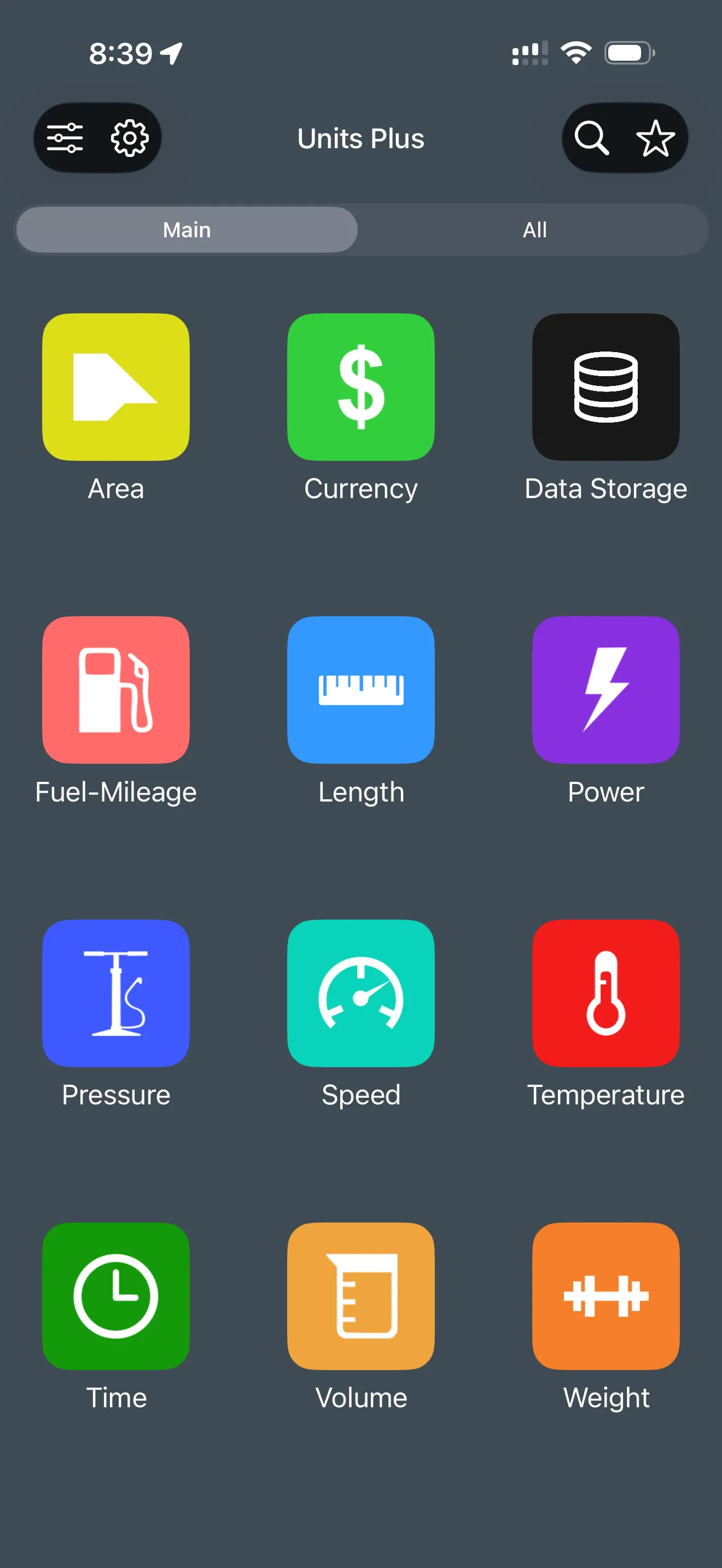
A screenshot of the Units Plus Converter app showing all the possible conversion options.
An ad model that converts

About a month after launch, Alan decided to experiment with monetization by placing a simple Google AdMob banner at the bottom of the free version of his app.

“In the first week it was like 10 cents, 20 cents... then I got to $10 and I was like, 'Oh wow, I made $10,'” Alan laughs.

But that revenue quickly grew, eventually establishing a significant and reliable stream of income that sustained his new side business.

In those early days, Alan experimented heavily with his monetization. He tried offering paid versions of his app upfront, charging anywhere from $1 to $10, but quickly realized that users strongly disliked paying for utility apps before trying them. The ad-supported version consistently brought in double the revenue of the paid version.

He also attempted to use mediation with competitor ad networks like Facebook and Unity, but the results were incredibly disappointing. The competitor platforms paid significantly less and cluttered his app with frustrating dependencies that he constantly had to update. He immediately switched back.

“AdMob is fantastic,” he notes.

After years of overthinking his ad placements—even losing sleep over whether moving a banner ad five pixels up or down would impact his revenue—Alan adopted a simple philosophy for his ad strategy: set it and forget it.

“My philosophy after doing this for 13 years is … AdMob, just don't touch it,” he jokes.

This hands-off approach has allowed him to benefit from programmatic advertising trends without lifting a finger. Over the past year, he has seen his revenue consistently increase, and today, ad revenue makes up roughly two-thirds of his app income.

While he recently added a monthly subscription option for users who want to remove ads and directly support the app's maintenance, he says the free, ad-supported version is absolutely irreplaceable to his business model.

And that reliable stream of AdMob revenue has completely changed the trajectory of Alan's life. He still remembers the day his ad revenue first hit $1,000 in a single month. He calculated that this equated to $12,000 a year—effectively a minimum-wage salary generated entirely passively from a side project.

But the true life-changing moment came years later when his family began to grow. Alan and his wife were living in Florida in a modest starter home they had renovated themselves. As their children approached school age, Alan looked into their local public school district and was horrified to discover it was rated a "one out of ten.”

He knew they needed to move, but even with his engineering salary, he couldn't afford a nice house in a top-tier school district. “I was like, ‘how am I going to make this work? There's no way with this salary,’” Alan recalls. “But my wife said, ‘you're also making income from apps, remember?’”

So Alan contacted a realtor and a mortgage financier, who confirmed that his consistent AdMob revenue fully qualified as a secondary source of income. By combining his civil engineering salary with his app revenue, Alan was able to purchase a beautiful house in a highly-rated school district for his growing family.

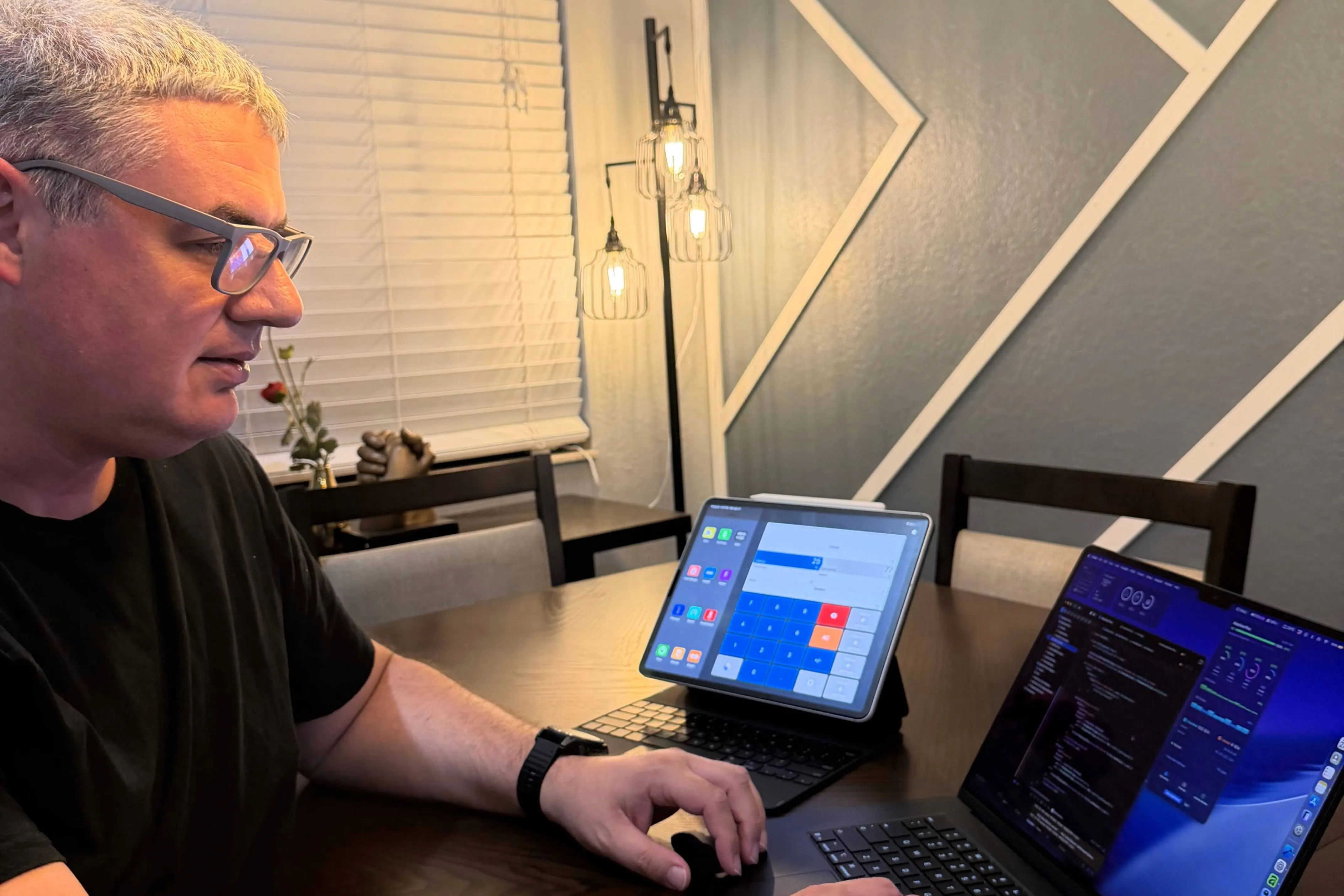
“AdMob is fantastic.”
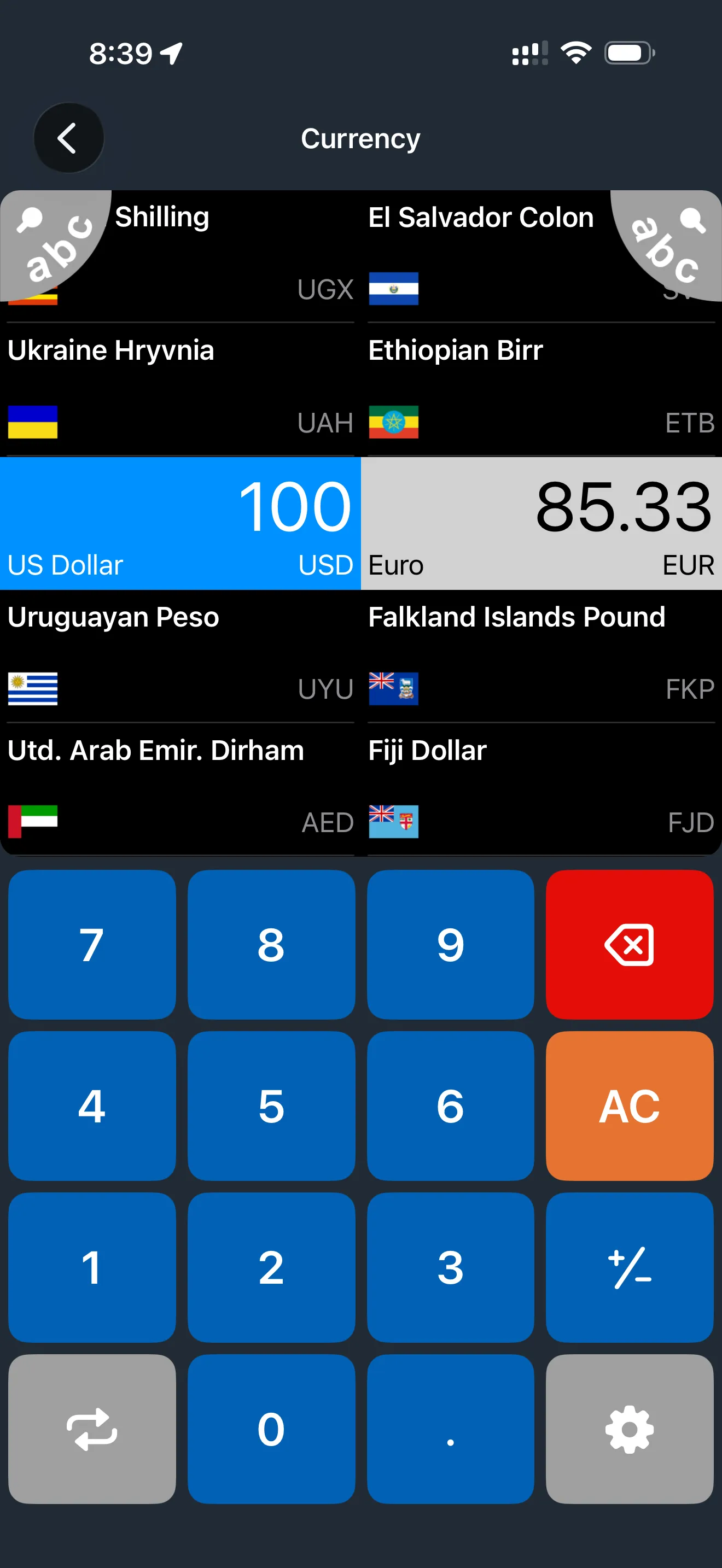
A screenshot of the Units Plus Converter app showing a conversion from USD to Euros.
A formula with staying power

More than a decade after its launch, Units Plus Converter has accumulated around 7 million lifetime downloads.

While the app averages a steady 500 downloads a day, Alan occasionally sees massive spikes of 20,000 to 50,000 downloads in a single day. Because the app is completely free to access thanks to ads, Alan hypothesizes that it frequently gets distributed in bulk by school districts to students' desktop computers. The schools, Alan notes, are completely insensitive to ads as long as the tool is free and useful for the students.

To keep his side hustle manageable alongside his full-time job, Alan has recently started experimenting with AI tools to help write small, tedious pieces of code, though he maintains that AI cannot replace the human element of good design.

He is currently applying his colorful, user-friendly design philosophy to a brand new astronomy app focused on sun and moon phases, which he plans to launch soon.

As he looks to the future, Alan's advice for other solo developers is simple, and rooted in the very thing that made his first app a success: prioritize the user experience above all else.

“If you don't have a good user interface, you have nothing,” Alan advises. “It can be the cleanest code inside, but if users see an app with a bad user interface... they’ll quickly forget about the app.”

About the Publisher

Alan Mrvica is a civil engineer by day and an independent app developer by night. Driven by a lifelong fascination with user interfaces and interactive design, he taught himself how to code to create mobile apps. Today, his flagship app, Units Plus Converter, is a daily utility for thousands of people, proving that a focus on simplicity and a reliable ad model can turn a self-taught side project into a life-changing business.

The Units Plus app icon